Encontro sobre água, poluição e lixo no Instituto Oceanográfico da USP / Base Ubatuba
Tropixel: Mar das Coisas / Sea of Things
Tropixel Cycles - Seventh Edition
Meeting about water at the Oceanographic Institute of USP / Ubatuba Base
Ubatuba - July 30th to August 1st, 2026
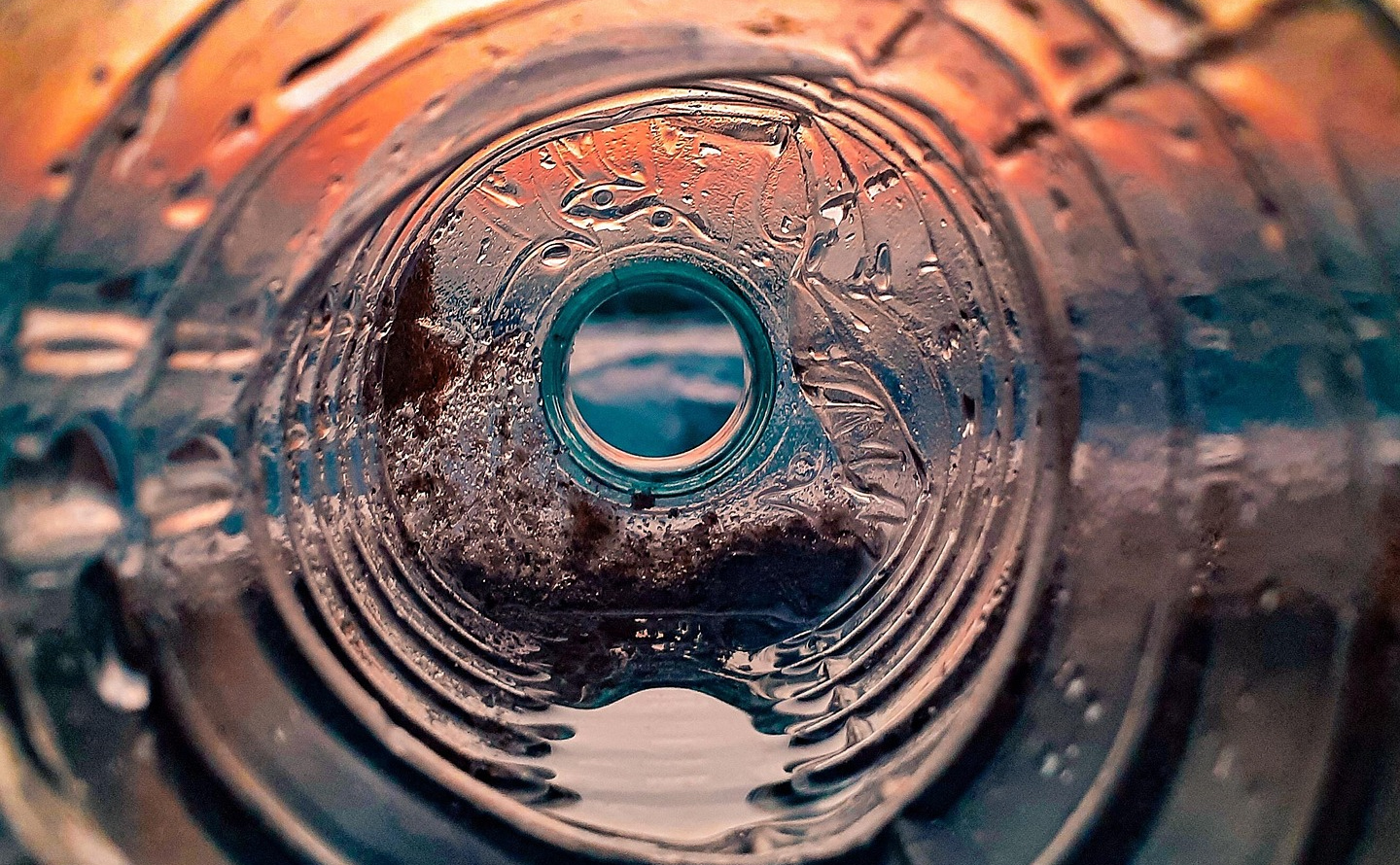
Image by Karuvadgraphy from Pixabay
Participate
Update: the call is now closed. Check the programme in the main page (Portuguese only).
- Meeting dates: July 30th to August 1st
- Location: “Clarimundo de Jesus” IOUSP Research Base - Praia do Lamberto, Ubatuba / SP.

What will be developed at the meeting?
For three days, the Tropixel Cycle: Sea of Things gathers participants at the Oceanographic Base of the Oceanographic Institute of USP, in Ubatuba, for direct work on Atlantic Forest watersheds.
Curatorial text
Sea of Things starts from the perception that the ocean, rivers, mangroves, and coastal zones compose a continuous material network of circulation. Everything passes through water: industrial waste, chemical compounds, nutrients, microplastics, measurements, infrastructures, and political decisions. Water stores, moves, and redistributes these traces. It operates as a moving archive, a surface of inscription for the present.
In dialogue with the Internet of Things, where connected objects continuously produce information, a material inflection is proposed here: matter itself informs. Suspended particles, physicochemical indices, and environmental variations make legible production chains, disposal trajectories, and operating modes of the infrastructures that cross the territories.
The Sea of Things names this field in which matter and information circulate together. A field of reading and action.
About Tropixel
Tropixel is an open network that operates at the intersection of culture, technology, science, and society. It organizes festivals, meetings, and events based in Ubatuba. Its activities develop in specific contexts, bringing participants together in processes of experimentation and knowledge sharing.
About LACO
LACO – Ocean Art and Science Laboratory is a transdisciplinary platform operating at the intersection of art, science, and ocean technologies. It carries out exhibitions, training courses, artistic residencies, and scientific publications. It acts in direct dialogue with oceanographic infrastructures and coastal territories.
In this edition, Tropixel and LACO coordinate at the IOUSP Oceanographic Base in Ubatuba, structuring the meeting around water as a material system.
ORGANIZATION
- Felipe Schmidt Fonseca - /U.CC/ + Tropixel
- Fabiane M. Borges - LACO / IOUSP
REALIZATION
- /U.CC/ (Ubatuba Sciences/Cultures)
- LACO - Ocean Art and Science Laboratory / IOUSP
- Oceanographic Institute of the University of São Paulo
- Clarimundo de Jesus Oceanographic Base (Ubatuba)
SUPPORT
Unesco Chair for Ocean Sustainability (IOUSP and IEA-USP)